Food safety and commercial cleaning experts in Brampton assist you in maintaining dining venues, food supply centers, baking operations, warehouses, and food service units in compliance. They sanitize high-touch points, food-contact surfaces, equipment, floors, drains, restrooms, and prep areas with approved chemicals, proper dilution, and documented exposure durations.
Main Points
- Sanitation specialists in Brampton serve restaurants, grocery departments, commissaries, warehouses, bakeries, schools, mobile vendors, and allergen-sensitive operations.
- Frequently contacted areas, food-contact equipment, kitchens, floors, drains, restrooms, and storage areas are treated using compartmentalized approaches to avoid cross-contamination.
- Approved sanitizer dilution, alignment, and exposure duration are confirmed by certified contractors, with conclusion documented via swabs, reviews, and action records.
- Effective sanitation schedules consider hazard, production volume, transitions, releases, and requirements when assigning routine, recurring, and seasonal operations by zone.
- Opt for vendors with hazard analysis knowledge, public-health, knowledge, safety training, training, coverage, credentials, color-categorized implements, and audit-ready sanitation files.
Brampton Venues That Need Food Safety Cleaning: Which Ones?
Food safety cleaning is mandatory for any Brampton facility that deals with, keeps, prepares, packages, or provides food. Apply it to your facility if it meets the criteria for health inspections, food codes, or HACCP requirements. This includes food service venues, employee dining, supply facilities, retail sections, butcheries, seafood counters, retail shops, and facility kitchens.
Proper sanitation protocols is equally required in storage warehouses, production plants, freezer facilities, bakeries, school nutrition services, reception halls, and meal delivery centers. Temporary and mobile businesses are included, examples including catering vehicles, festival sellers, and pop-up stands. Your venue demands recorded sanitation procedures when your workers prepare supplies, portion completed foods, reheat products, or manage allergen records. In Brampton, cleanliness is not optional; it comprises legal, operational, and consumer protection compliance.
What Do Brampton Cleaning Professionals Handle?
You need cleaning experts who disinfect frequently contacted areas, kitchen areas, floor surfaces, and restrooms to comply with food safety and health regulations. They focus on these spaces because they present the highest risk for cross-contamination, slipping risks, and hygiene violations.
Understanding their cleaning procedures enables you to validate your operation's sanitation satisfies required standards and regulations.
High-Touch Surface Cleaning
Handling high-touch surface cleaning is important for Brampton sanitation experts because frequently touched zones can spread bacteria, viruses, and food residue throughout a establishment. You need a documented schedule for disinfecting entry points, contact surfaces, control panels, railings, shared devices, registers, and cold storage handles. Using area assessment techniques, professionals locate every regularly used zone and set cleaning frequency
swabbing procedures to verify disinfection success
Kitchen Areas, Floor Surfaces, and Bathroom Spaces
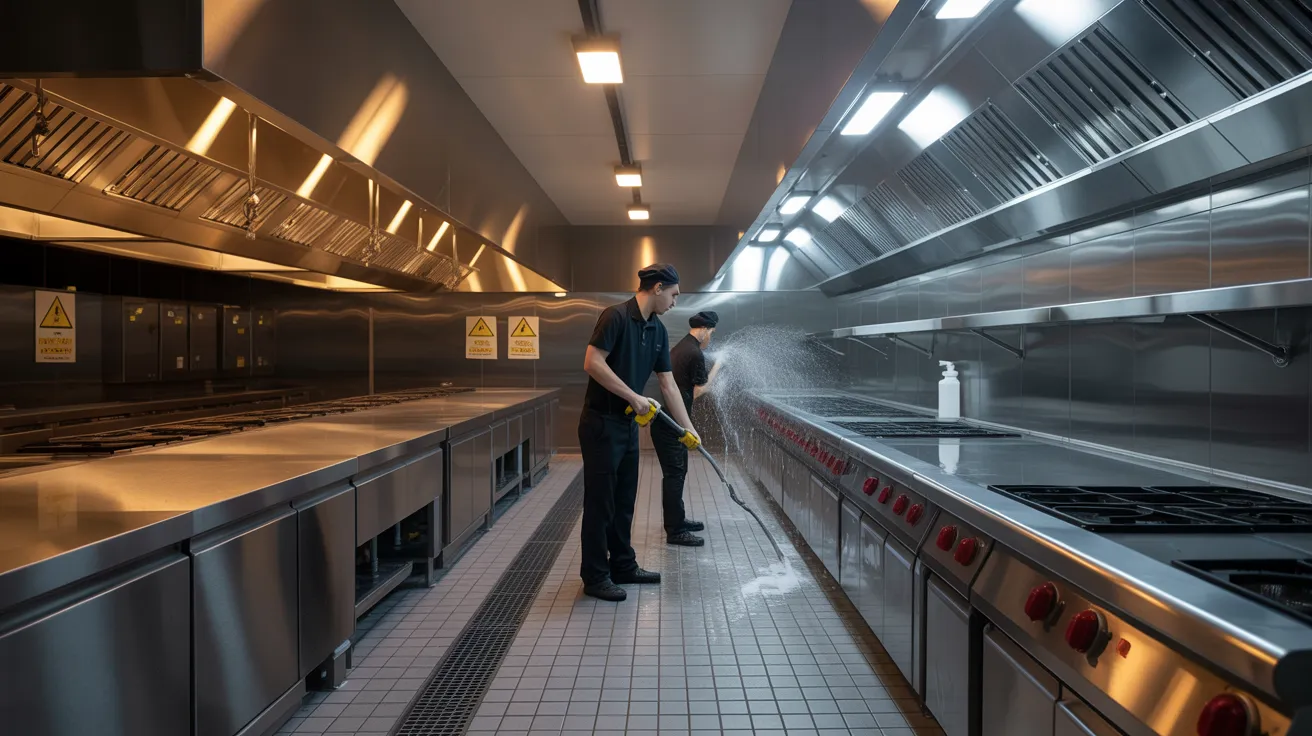
Expect Brampton cleaning experts to target kitchens, floors, and restrooms because each area carries unique foodborne illness prevention, slip-and-fall, and public health risks. In industrial kitchens, you need degreasing on cook lines, equipment exteriors, drains, prep surfaces, and splash zones to minimize contamination and pest pressure.
Professional floor care with documentation is also included. is also provided as part of the service.
In restrooms, cleaners disinfect touchpoints, fixtures, partitions, dispensers, and waste containers then restock supplies and control odours. They also service restaurant moprooms, where chemical storage, sink hygiene, and drainage conditions can affect sanitation compliance and staff safety daily.
The Importance of Food Safety Cleaning in Brampton
In Brampton, you must copyright sanitary cleaning practices to satisfy regulatory standards and achieve compliance. You also reduce cross-contamination by cleaning and sanitizing food-contact surfaces, equipment, and high-touch areas correctly. Most importantly, you safeguard community wellness by reducing the chance of food poisoning in your establishment.
Food Safety Regulations
Since Brampton food operations must follow rigorous sanitary regulations, your hygiene maintenance directly impacts your capability to fulfill health codes, defend diners, and eliminate regulatory penalties. You must maintain hygienic food handling zones, verifiable cleaning logs, appropriate product handling, and traceable training practices that meet municipal and provincial inspection expectations.
When cleaning standards weaken, citations, corrective orders, reputation damage, and operational disruption from subsequent audits or enforcement actions become threats.
Cross-Contamination Prevention
Adhering to health code standards requires your skill in preventing cross-contamination throughout routine https://mwaccommercialsanitation.ca/ preparation and sanitation work. You need to isolate uncooked items from finished products, clean prep surfaces between tasks, and keep chemicals away from food-contact items. Organized systems minimize contamination events and maintain ongoing regulatory adherence.
Building allergen segregation prevents priority allergens from contacting shared surfaces, containers, or equipment. Leverage separate cutting boards, colored implements, and precise instrument labeling so team members won't blend products during preparation or service.Mandate hand cleaning following raw meat, seafood, eggs, or allergen-containing products. Refresh cleaning cloths frequently, and confirm disinfectant efficacy using test strips. When you train staff to follow these controls each shift, you foster a cleaner, more secure operation that exceeds Brampton's safety standards daily.
Community Health Protection
Should cleaning standards break, you don't simply encounter inspection problems—you expand the odds of foodborne illness harming customers, staff, and the wider Brampton community. You also undermine your responsibility in safeguarding community wellness, especially in high-traffic food premises where pathogens travel quickly through surfaces, equipment, and touchpoints.
You need cleaning protocols that remove soils, disinfect properly, and verify results. That requires adhering to contact times, employing authorized sanitizers, documenting schedules, and training staff to meet regulatory standards. These controls support pathogen reduction by reducing pathogens before they contaminate surfaces or food. In Brampton, rigorous cleaning protects vulnerable populations, prevents disease spread, and helps you demonstrate proper care. When you clean to standard, you exceed basic requirements—you actively reduce risk and support safer food service citywide.
In What Ways Does Cleaning Help Achieve Food Safety Compliance?
Thorough cleaning protocols strengthen food safety compliance by decreasing contamination threats, controlling pathogen growth, and keeping your facility aligned with sanitation requirements under HACCP-based programs and public health regulations. You confirm that food-contact surfaces are visibly clean and microbiologically controlled, supporting documented preventive controls and inspection readiness.
Comprehensive cleaning also solidifies allergen prevention by clearing residues that can provoke undeclared allergen exposure. When you pair verified sanitation methods with compliance training, your staff can follow standardized methods, use approved chemicals correctly, update records properly, and respond to irregularities prior to issues intensify. Consistent cleaning enables product tracking, establishes corrective steps, and proves responsibility when audited. Additionally, it assists you maintain product safety, sustain operational compliance, and reduce the possibility of regulatory actions, product recalls, formal complaints, and avoidable health hazards.
When Ought You Schedule Commercial Cleaning?
food-contact surfaces, bathrooms, and frequently touched areas
risk factors, production volumes, or regulatory standards change
What Should You Look For in Brampton Cleaning Experts?
Begin by evaluating providers based on food-safe sanitation requirements—not solely on budget. You should confirm that each organization comprehends CFIA, public health, and HACCP-aligned expectations applicable to your facility. Request proof of insurance, WHMIS compliance, staff training documentation, and oversight procedures. Assess whether technicians recognize cross-contamination risks, chemical handling protocols, and verifiable sanitation records.
Additionally, you need to evaluate operational reliability and responsibility. Obtain references from food facilities in Brampton, then review response times, corrective-action procedures, and communication practices. Verify the company conducts supplier reviews and can deliver inspection-ready documentation when inspectors or external parties need proof. Verify equipment is maintained, colour-coded tools are applied correctly, and location-specific dangers are identified. A qualified provider ensures compliance, product integrity, and your reputation.
What's included in a Food Safety Cleaning Plan?
Create a documented strategy that makes clear every sanitation responsibility, standard, and task before production begins. You should outline cleaning schedules, authorized chemicals, concentration levels, contact duration, implements, and validation techniques for each location, surface, and apparatus. Include pre-operational inspections, corrective actions, and employee training requirements.
Your plan should also cover cross-contamination controls, waste handling, pest-prevention measures, and documented schedules for bathrooms, drainage systems, surfaces, and food-preparation zones. Explain how you'll keep raw and prepared foods apart, enable ingredient tracking, and ensure accurate allergen labeling through validated cleaning between product changes. You should assign accountability, maintain signed records, and review results against regulatory standards, HACCP controls, and customer requirements. When gaps appear, update procedures immediately and retrain staff.
Frequently Asked Questions about the Plan
Can sanitation providers support nighttime operations in Brampton properties?
If you operate controlled facilities, you'll also require records that support inspections and maintain compliance.
Do Brampton cleaning experts offer emergency spill response services?
Yes, you can expect many Brampton sanitation professionals to provide hazard containment services. They manage hazardous materials, assess risks, isolate affected areas, and begin swift cleanup to minimize risk and business interruption. You should verify arrival timeframes, training certifications, PPE protocols, and disposal procedures. If your facility must comply with industry standards, select a service that documents incidents, maintains regulatory procedures, and supports audit readiness.
Do green disinfectants perform safely on food-handling equipment?
Definitely, eco-friendly disinfectants function safely on food-handling equipment if you purchase disinfectants approved for food contact that comply with regulatory compliant. You should check contact duration, concentration levels, and rinse requirements prior to application. Natural-based solutions minimize harsh chemical exposure, but you must have confirmation of performance against harmful bacteria. To preserve residue-free areas, implement exact manufacturer guidelines and ensure your sanitizer complies with applicable food industry sanitation standards.
Do sanitation programs support seasonal production changes?
Without question, sanitation programs customize readily for seasonal production changes. Modify frequencies, personnel, cleaning agents, and testing procedures to align with seasonal patterns while preserving regulatory compliance. Minimize operational delays by planning disinfection surrounding equipment transitions, peak volumes, and usage patterns. Also update procedural documents, staff education, and environmental monitoring to reflect transient threats, additional allergens, or increased soiling. Regular reviews maintain your schedule current.
Do commercial cleaners educate staff on hygiene standards?
Absolutely, commercial cleaners regularly deliver employee education on hygiene standards. Your staff receives training on correct chemical handling, dwell times, cross-contamination prevention, equipment disassembly, and documentation. They typically align guidance with HACCP, GMP, and CFIA or local public health standards. Many conduct sanitation audits to ensure adherence, identify gaps, and reinforce corrective actions. This helps you maintain consistent procedures, clear audits, and lower contamination dangers routinely.
Conclusion
Partnering with Brampton commercial cleaning and food safety experts goes beyond tidying—it guarantees your operation stays inspection-compliant and your protocols are defensible. From kitchen areas to production zones, each cleaned area and maintained corner reduces health hazards and avoids costly disruptions. By arranging service at suitable frequencies and executing a comprehensive cleaning strategy, you shield staff, clients, and your image. In a tightly controlled market, sanitary conditions are non-negotiable—they're critical to business success.